As Lake Elsinore heads toward cooler months, the roads begin to tell a different story. The long summer heat fades, early rains return, and the pavement that once gripped your tires with ease starts to feel slick and unpredictable. For many drivers, that’s when they notice the first signs of wear — a small slide at a stoplight, a bit of vibration on Ortega Highway, or braking that takes a little longer than it used to.
Those are subtle reminders that it might be time to consider tire replacement in Lake Elsinore. Even though the city doesn’t face freezing temperatures or snow, our roads, climate, and steep neighborhood grades can wear down tires faster than you think. Preparing early for the season change ensures your car handles well when winter rain begins.
Why Replacing Tires Before Winter Matters for Lake Elsinore Drivers
While Lake Elsinore winters are mild, they bring conditions that challenge worn tires — cooler air, slick pavement, and heavier traffic during the holiday season. After months of exposure to high summer temperatures, your tires’ rubber becomes stiff and brittle, losing the flexibility that allows it to maintain traction on wet roads.
The first rainfall of the season often lifts oil and debris from dry pavement, creating a thin film that’s especially dangerous when tires lack tread depth. Drivers commuting along I-15 or Grand Avenue notice it right away — the car feels like it’s floating. Replacing tires before this happens means your vehicle is ready for the shift in weather, giving you better grip and safer control.
How Local Roads Affect Tire Life and Performance
Lake Elsinore’s terrain is far from flat. From the rolling grades in Canyon Hills to the winding curves of Ortega Highway, the area’s mix of elevation and heat puts constant pressure on your tires. Climbing hills, braking on descents, and daily stop-and-go traffic near downtown all contribute to uneven wear.
Many local drivers are surprised when technicians show how their front or outer tire edges wear faster. That pattern isn’t poor driving — it’s simply how our roads work your tires. Regular inspections and seasonal tire replacement in Lake Elsinore help prevent traction loss before it turns into a safety issue.
Recognizing the Early Signs of Tire Wear
You don’t have to wait for a flat to know your tires need attention. A few telltale signs include:
Reduced tread depth – If your tire grooves look shallow or smooth, they can no longer channel water efficiently.
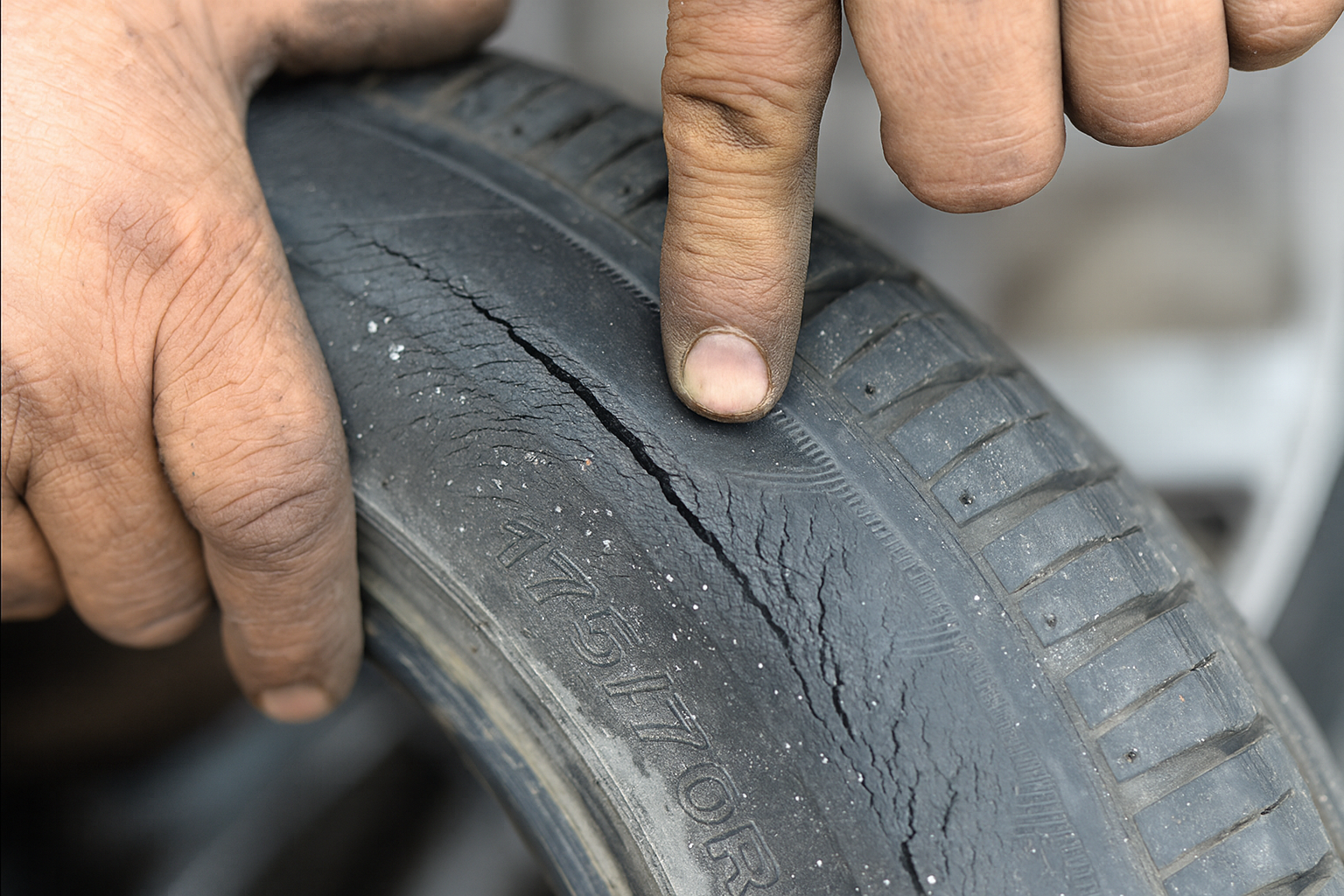
Visible cracking or dryness – After long exposure to heat, rubber starts to dry out and lose its flexibility.
Vibration at certain speeds – A shake in your steering wheel often means uneven wear or internal separation.
Longer braking distance – When you need more space to stop, your tires are losing traction.
If you notice any of these, it’s best to have your tires checked before winter storms arrive. A quick inspection could reveal whether a simple rotation is enough or if full replacement is due.
Checking Tread and Tire Health at Home
You can do a basic tire check without special tools:
Insert a penny into the tread groove. If you can see the top of Lincoln’s head, the tread depth is below 2/32 inch — unsafe for wet roads.
Run your palm across the tire surface. It should feel evenly textured. If one edge is smoother, you may have an alignment issue.
Check the tire’s age by finding the four-digit DOT code on the sidewall. Tires older than six years, even with good tread, lose grip due to rubber degradation.
Doing these checks every few months helps you catch problems early and decide if a tire replacement in Lake Elsinore is the right next step.
How Weather and Heat Accelerate Tire Aging
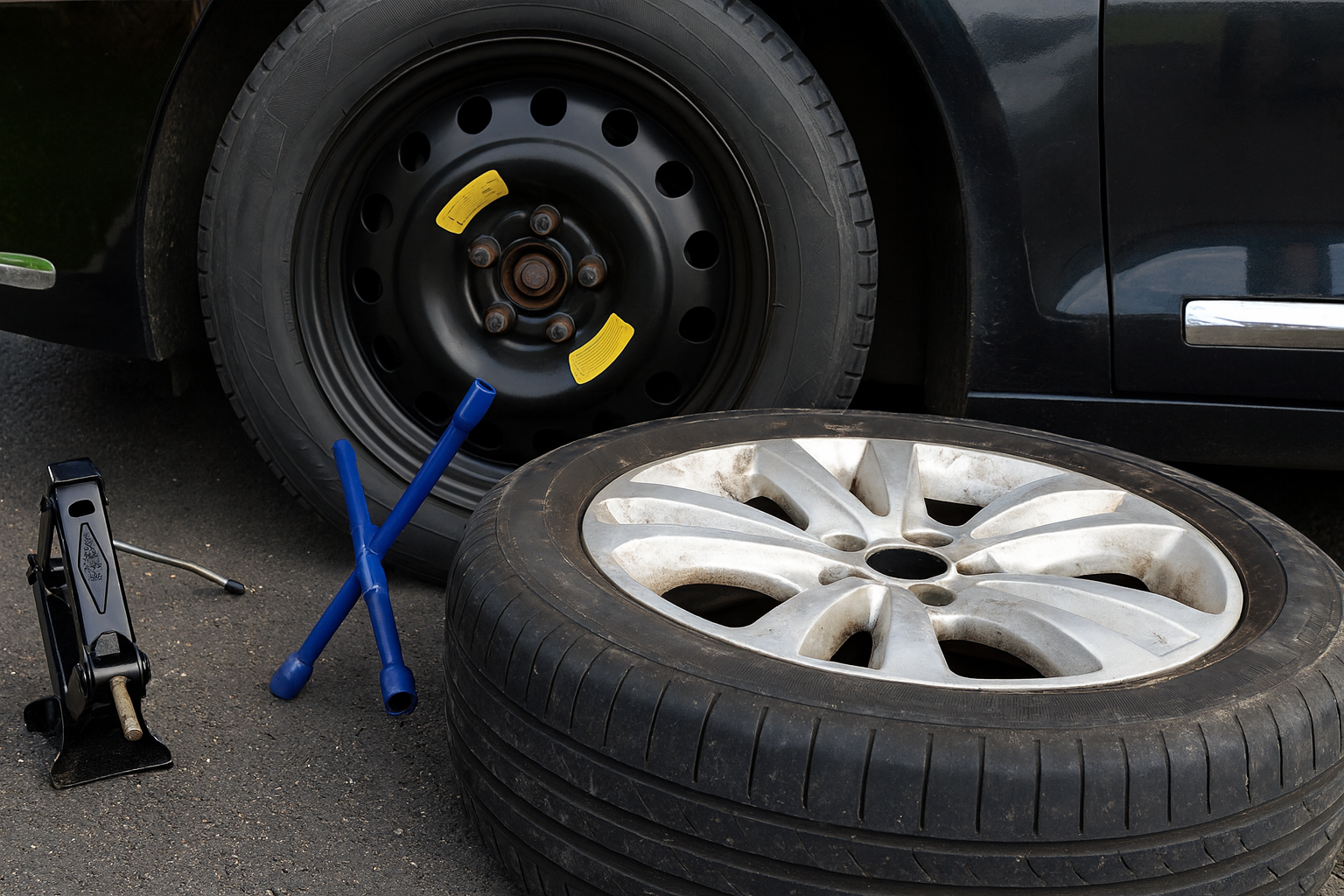
Our inland climate is tough on tires. During summer, road surfaces in Lake Elsinore can reach temperatures high enough to harden rubber compounds. Then, when cooler air and moisture arrive, that same hardened rubber can’t flex properly.
This constant cycle of heat and cooling eventually weakens the tire’s ability to grip, especially during rain. The result? Tires that feel fine in dry conditions but lose control on slick asphalt. Scheduling replacements before those shifts ensures your vehicle is equipped for both hot stretches and the wet season ahead.
Benefits of Early Tire Replacement for Local Drivers
Replacing tires before winter delivers both peace of mind and long-term savings. New tires:
Improve braking distance on wet roads.
Reduce the chance of hydroplaning during heavy rain.
Extend the life of your suspension and alignment systems.
Restore fuel efficiency and a smoother, quieter ride.
More importantly, you won’t be rushing for service after the first big storm when most tire shops are booked solid. Planning ahead keeps you in control — on the schedule and on the road.
Stay Safe and Ready for Lake Elsinore’s Winter Roads
Winter driving in Lake Elsinore isn’t about snow — it’s about staying prepared for slick pavement, cool mornings, and sudden rain showers. A quick tire check before the season changes can go a long way toward keeping your car safe and responsive on the road. Look for shallow tread, uneven wear, or cracks along the sidewalls — these are early warning signs your tires need attention.
Scheduling your tire replacement in Lake Elsinore before winter arrives ensures better traction, improved braking, and smoother handling through every hill and turn — from Canyon Hills to Ortega Highway. Call us at(951) 498-6819 or complete our online contact form to schedule your tire inspection or replacement today. Our local technicians provide fast, reliable service that helps you drive with confidence through every season in Lake Elsinore.
What tread depth is safe for driving during Lake Elsinore’s rainy season?
A tread depth of at least 4/32 inch is recommended for safe handling on wet pavement. Anything below 2/32 inch is considered unsafe and increases the risk of hydroplaning when the first rain hits local roads like Grand Avenue or Lakeshore Drive.
Can I replace only two tires instead of all four?
If your front or rear tires show significantly more wear, you can replace just those two — but make sure the new tires match your current set in size and type. Always install new tires on the rear axle to maintain better control in slippery or emergency situations.
Why do tires wear faster in hot places like Lake Elsinore?
High pavement temperatures soften rubber compounds during the day and cause them to harden again at night. This constant heat cycle breaks down the tire structure faster. Combined with stop-and-go traffic and steep road grades, it leads to uneven tread wear sooner than expected.
When is the best time to schedule tire replacement before winter?
Plan your tire replacement in late October or early November, just before consistent rainfall begins. Replacing them early ensures your vehicle is ready for the first rain and avoids the seasonal rush when most tire shops get booked out.