It happens to almost every driver — you get a nail in your tire, stop by a shop, get it patched, and get back on the road. But what if it happens again? Can you safely patch a tire more than once, or does that second repair put you at risk?
It’s a question many Lake Elsinore and Temecula drivers ask, especially those who commute daily on I-15 or through construction zones where nails and debris are hard to avoid. The truth is, patching a tire more than once can be safe — but it depends on where the damage is, how close the punctures are, and the tire’s overall condition.
In this article, our local experts explain when multiple patches are okay and when replacing the tire is the safer, smarter choice.
Understanding How Tire Patching Works
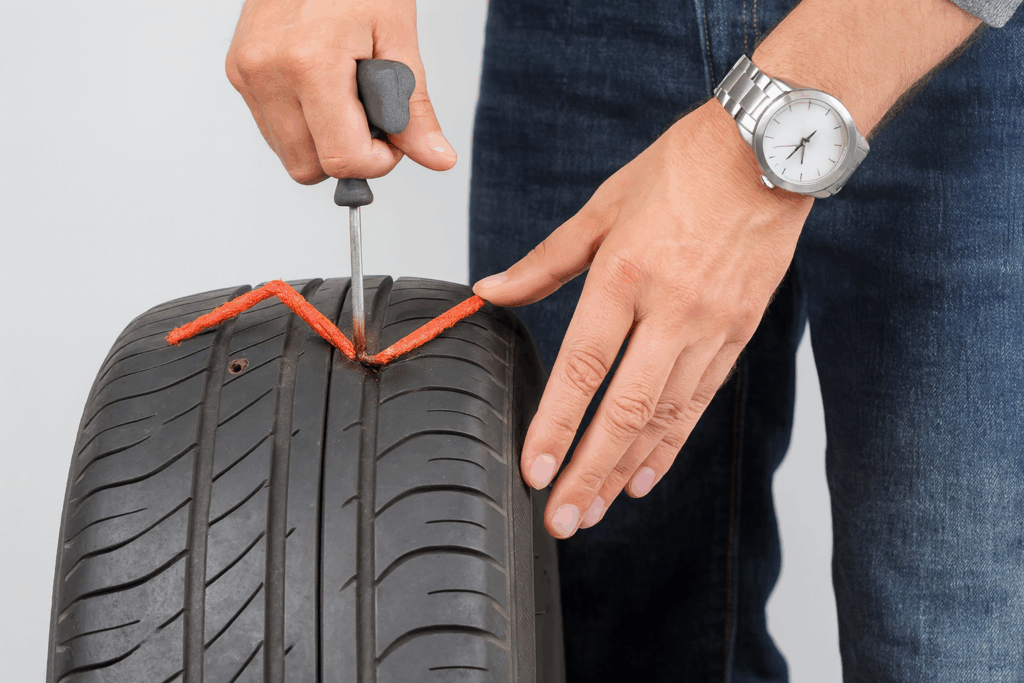
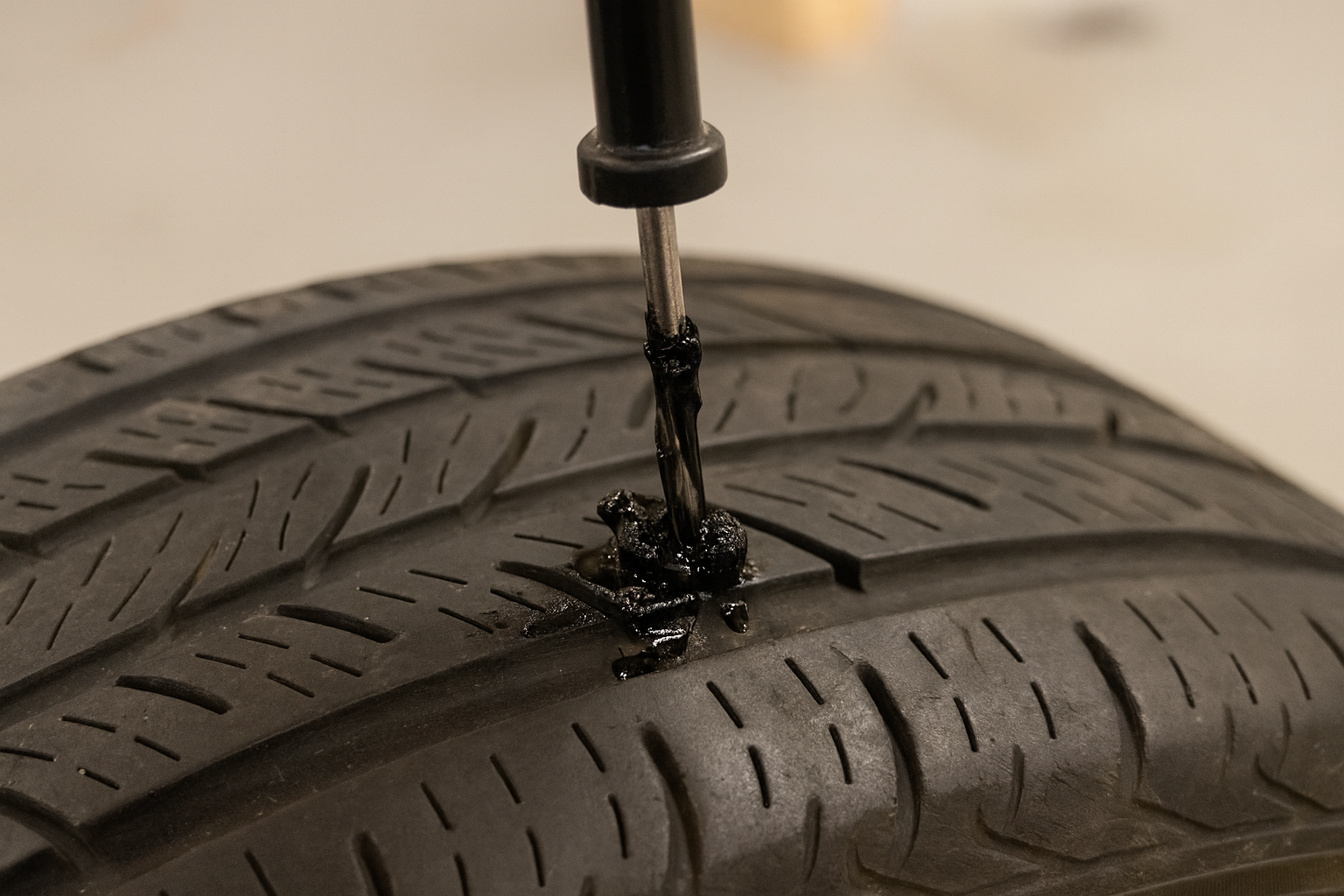
Before deciding whether a tire can be patched again, it helps to understand how a patch works. When a technician repairs a puncture, they seal the damaged area from the inside of the tire, preventing air loss and moisture from reaching the steel belts beneath the tread.
A proper plug-and-patch repair involves:
Removing the tire from the rim for full inspection.
Cleaning and prepping the punctured area.
Applying a specialized adhesive and inserting a plug-patch combination to seal both inside and out.
When done correctly, a patched tire can safely handle thousands of miles. But every repair slightly changes the tire’s structure. If another puncture happens too close to the first, the strength and flexibility of that area weaken — making additional repairs less reliable.
When It’s Safe to Patch a Tire More Than Once
Not every puncture means you need a new tire. In many cases, another repair is perfectly safe as long as key conditions are met:
Punctures are small and spaced apart – Each hole should be less than ¼ inch wide and at least two inches apart from another repair.
Damage stays in the tread – Patches are only safe in the central tread area, not near or on the sidewall.
Previous repair was done correctly – Only professional plug-and-patch repairs qualify for additional repairs; quick exterior plugs don’t.
The tire still has good tread – Tires nearing minimum tread depth (2/32″) aren’t worth patching again.
For many local drivers who encounter nails or screws on roads like Railroad Canyon or Ortega Highway, multiple patches are often fine when these safety guidelines are met.
When a Tire Shouldn’t Be Patched Again
Sometimes, replacing the tire is the only safe option. No matter how skilled the technician, certain conditions make another patch unreliable:
Punctures too close together – If two holes overlap or sit within two inches, that area can’t safely hold pressure.
Damage on the shoulder or sidewall – These flexible areas can’t be sealed permanently; a patch here is only temporary.
Exposed steel belts or rubber softness – Internal weakening means the tire can fail even if patched.
Multiple previous patches – More than two repairs in different spots often throw off tire balance, leading to vibration or faster wear.
For Lake Elsinore drivers, the region’s heat and long highway drives make these risks more serious. A weak repair can fail suddenly, especially in warm weather or at higher speeds.
How Local Conditions and Driving Habits Affect Tire Repair Safety
Lake Elsinore’s climate and terrain add extra stress to repaired tires. Summer pavement temperatures often top 120°F, softening the rubber and stretching patched areas. When cooler nights return, the rubber contracts — repeating this cycle over and over until the patch bond weakens.
Drivers who commute through I-15, Ortega Highway, or Canyon Hills put additional strain on their tires through steep inclines, tight turns, and braking downhill. For those with long commutes or work trucks, replacing the tire instead of re-patching is often the safer investment.
Professional Inspection vs DIY Repair
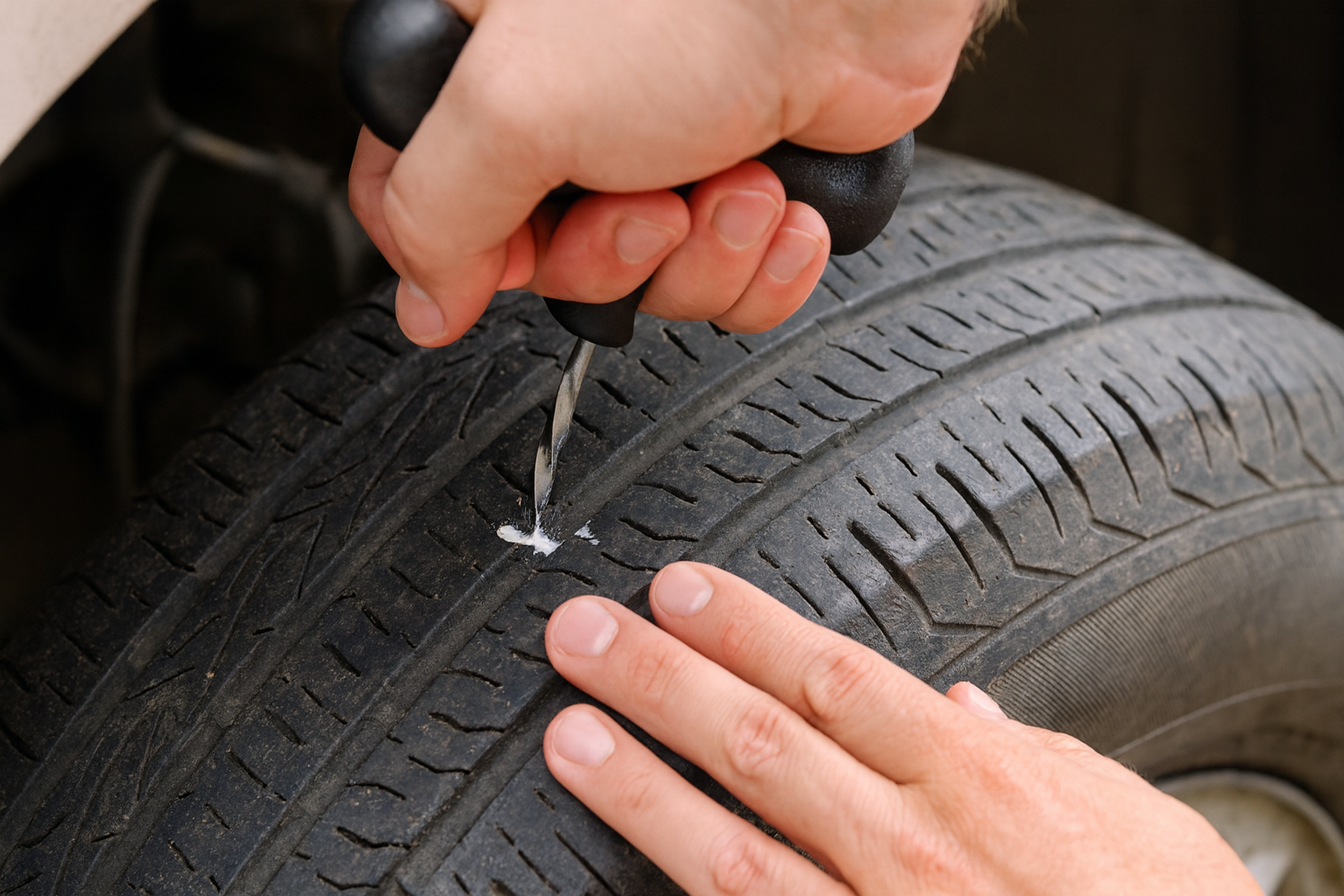
It’s tempting to plug a nail hole at home, but there’s a reason professionals handle tire repairs differently.
A DIY plug only seals the outer hole, not the inner liner. Moisture can still reach the steel belts, leading to hidden corrosion and slow leaks.
A professional tire patch, on the other hand:
Removes the tire from the rim for a full inside inspection.
Cleans and buffs the puncture channel.
Installs a plug-patch combo to seal the inside and outside completely.
Rebalances the tire to ensure smooth, even performance.
Local experts can also identify heat or sidewall damage that most drivers can’t see. If your tire’s been patched before and gets punctured again, a quick inspection by a professional shop ensures you’re not driving on a hidden risk.
When It’s Time to Stop Patching and Replace the Tire Instead
Even the best repair can’t last forever. When a tire has been patched once or twice, it’s time to pay closer attention to how it performs.
If you notice vibration, gradual air loss, or visible cracks, those are signs the internal structure has weakened. Patching again may seem convenient, but it often leads to faster wear or unexpected blowouts.
Replace your tire instead if:
There are more than two patches total.
The tread is below 4/32 inch.
You spot sidewall bulges, cords, or soft spots.
The tire loses air repeatedly, even after a repair.
With Lake Elsinore’s heat and steep roads, these warning signs can escalate quickly. Replacing your tire early not only improves safety but also helps maintain alignment, suspension balance, and overall fuel efficiency.
Driving Confidently with Expert Tire Care in Lake Elsinore
Flat tires are part of driving — but unsafe tires don’t have to be. Whether you’re dealing with a second puncture or unsure if your tire can be repaired again, getting expert guidance matters.
Lake Elsinore’s hot summers, hilly streets, and occasional rain put unique stress on tires. Having a local technician inspect, patch, or replace them ensures you’re driving safely year-round.
If you’ve had your tire patched before and aren’t sure it’s still safe, don’t guess. Let our team inspect it for you. We’ll determine whether another repair is possible or if replacement is the smarter move.
Call us at (951) 498-6819 or complete our online contact form to schedule your tire inspection today. We proudly serve Lake Elsinore, Temecula, Murrieta, and surrounding communities with reliable tire repair and replacement service — helping local drivers stay safe through every season.
Can hot pavement in Riverside County make my patched tire fail sooner?
Absolutely. High heat causes tire pressure to rise and puts extra stress on repaired spots. In summer, road temperatures in Riverside County can exceed 120°F, which can weaken a patched area over time. It’s a good idea to have your patched tire checked during seasonal tire rotations or before long road trips.
What’s the best way to prevent another flat on Lake Elsinore’s roads?
Keep your tires properly inflated, rotate them regularly, and avoid hugging the right shoulder where debris tends to collect. If you frequently drive through industrial or construction zones, consider reinforced or all-terrain tires — they resist punctures better than standard commuter tires.
Is it safe to drive to work in Temecula on a tire that was patched a few days ago?
If the repair was done professionally — with a plug-and-patch combo and full internal inspection — it’s perfectly fine for everyday driving. Just avoid extended highway speeds for the first 24 hours after the repair, and recheck air pressure before your commute.